
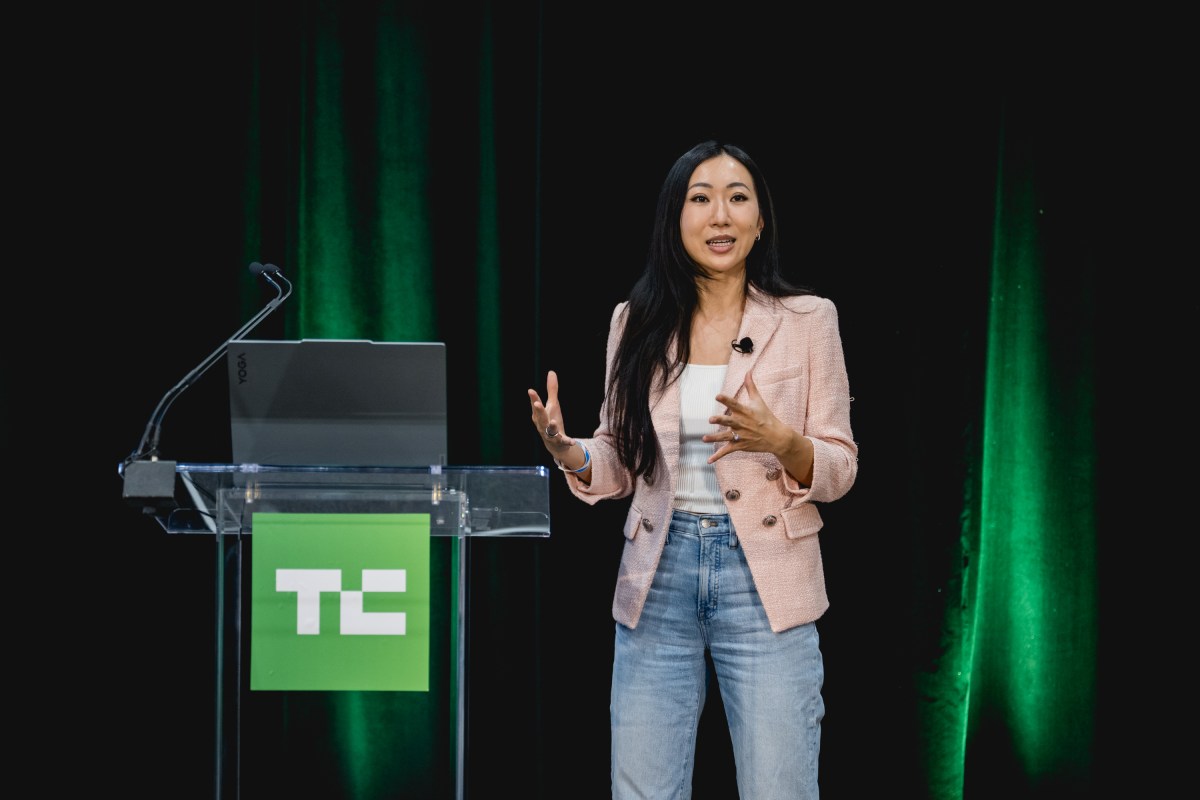
Startup founders in 2025 face a puzzling capital market, according to Cathy Gao of Sapphire Ventures. “Capital isn’t scarce. But access to it is harder than ever,” she explained.
Speaking at TechCrunch’s All Stage conference in July, Gao emphasized that founders, especially those at the later Series C stage, need to start with a reality check to navigate this economic environment.
Only one in five startups that raise a Series A proceed to Series C, and the standards for securing late-stage capital have increased. Investors now seek certainty over mere growth momentum. “Investors now ask if a company is a true market winner,” said Gao. They are interested in whether a company’s trajectory makes its upside undeniable.
Series C companies must meet certain criteria, being category leaders that define their markets with clear go-to-market strategies and undeniable pull. They should grow efficiently, showing traction as market leaders.
Metrics aren’t enough; investors must believe in the company’s potential as a leader in its space. Despite strong metrics, investors will move on if they aren’t convinced.
Some companies without stellar metrics still secure Series C funding by effectively communicating their potential to investors. Gao highlighted a startup with over a $2 billion valuation for making investors believe it would be a leading company.
Gao stressed continuity over short-term success, noting that companies grow faster in the AI age but often fail as quickly. Sustainability of growth is crucial.
Investors at the Series C level look for “compounding loops,” where a company strengthens as it scales. If the product improves and customer acquisition cost decreases with each new customer, investors will “lean in.” Otherwise, they “lean out.”
Gao advised founders to treat fundraising like a go-to-market campaign and build VC relationships early. At Sapphire, for example, they prefer to invest at the Series B stage but usually have known the company for a year.
Founders should maintain a “lightweight investor CRM,” tracking those they meet and sending periodic updates. This helps keep investors informed.
Gao concluded that companies should only enter fundraising when multiple firms express interest. “The last thing you want is timing the market incorrectly,” she said, emphasizing that timing is critical at the Series C level. It’s about planning and not leaving it to chance.