
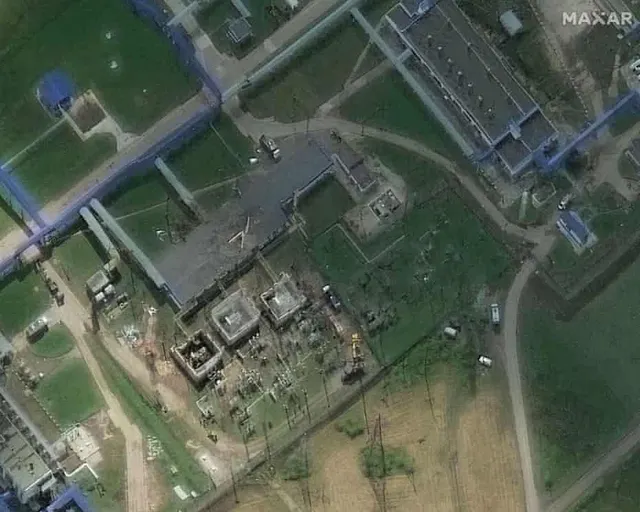
At just after 2 a.m., Kyiv was startled by the sound of air raid sirens. The scene was familiar: lights turned off, people took shelter, and air defense systems activated. The difference this time was the reach of the missile strike. On August 21, Russia conducted one of the war’s widest ranging strikes, affecting Zakarpatia in the west for the first time in over two years. Mukachevo, known more for its vineyards and castle, was unexpectedly hit by a Kalibr missile from the Black Sea, targeting an industrial site and prompting warnings of possible chemical contamination.
The strike aimed to show that no part of Ukraine is secure and to disrupt the logistics of western Ukraine, crucial for supplies from NATO countries. Mukachevo wasn’t alone; Lviv, Zaporizhzhia, Dnipropetrovsk, and Lutsk were also targeted. Most attacks caused damage but weren’t game-changers; however, they stressed Ukraine’s defenses. Kyiv withstood hours of missile and drone attacks, showing Russia’s ability to challenge the capital’s security.
A worrying incident saw a Shahed drone enter Polish airspace, crashing near Lublin and raising concerns with NATO. Drones entering Poland aren’t new, but deeper intrusions escalate risks with NATO. Each breach tests NATO’s patience regarding red lines it can tolerate.
The strikes left residents feeling vulnerable. Western Ukraine, once a safe haven for people displaced by the conflict, no longer felt secure. Ukraine’s leadership must now defend new target areas, depleting its resources further from the frontline.
Russia’s strikes closer to NATO borders place pressure on Western countries already weary of supporting Ukraine. The August 21 attacks caused disruption but were psychologically impactful. The war alternates between attacking frontlines and civilian targets to wear down defenses and morale, reminding Ukraine that no area is safe.
Poland’s drone incident highlights the potential for broader conflict. As these incidents grow, NATO’s restraint may diminish. Holding off attacks isn’t winning for Ukraine, which constantly depletes its resources. Russia aims to prove it can strike anywhere, testing Ukraine’s ability to protect its people and infrastructure.
Ultimately, geography offers no protection now. The conflict’s shadow stretches wide, meaning every warning siren, no matter the location, signifies that the frontlines are everywhere.