
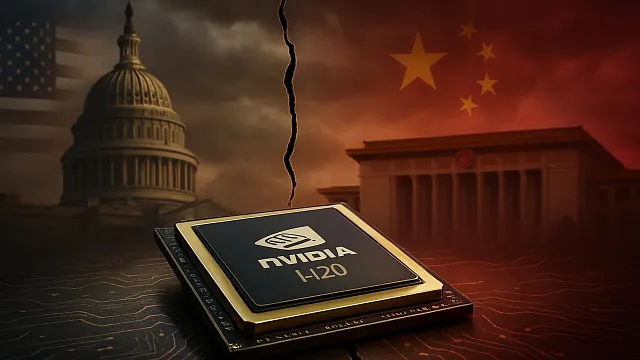
NVIDIA’S CHALLENGE
Navigating a Controversial Chip Deal Amidst Geopolitical Tech Tensions
Nvidia, a leading AI company, has made a remarkable reentry into the Chinese market through a unique agreement with the U.S. government. In August 2025, Nvidia and AMD agreed to give 15% of their China sales revenue from advanced chips to regain export licenses for H20 chips. This deal, following a previous U.S. export ban, positions Nvidia at the center of a geopolitical battle over technology and security.
The Neglected Deal
President Trump, reversing earlier export restrictions under Biden, supported the deal as a bold fiscal strategy. While initially seeking a 20% share, the final agreement at 15% was considered a significant achievement. Legal experts, however, caution that this “export tax” may breach constitutional bans and weaken U.S. export controls.
For Nvidia, regaining chip sales in China could restore critical revenue streams lost during the export ban, potentially driving billions in new growth. Previously, the company faced a $4.5 billion writedown due to the ban. Despite the potential benefits, the 15% revenue cut will impact margins, though Nvidia’s strong gross margins may soften the blow.
Reactions from Beijing
The deal has stirred controversy in China, with state media and regulators questioning the security of Nvidia’s H20 chips, citing concerns of “backdoors” or “kill switches.” Nvidia’s Chief Security Officer David Reber publicly denied any such vulnerabilities, asserting the chips are free from spyware.
The perspectives in Washington and Beijing differ sharply. Washington sees the deal as a profitable compromise, while Beijing views it as a risk to security. Nvidia faces a delicate diplomatic balance, weighing immediate financial benefits against long-term reputational risks and navigating the interests of two powerful nations.
Critical Factors for Nvidia
- Economic Recoveries: Access to the $50 billion Chinese AI chip market could boost revenue and offset past losses.
- Legal Implications: The agreement sets a “pay-to-play” model, raising concerns about market access being tied to government revenue conditions.
- Security Scrutiny: Chinese allegations might lead to more regulatory inspection or drive domestic alternatives, impacting Nvidia’s future prospects.
- Strategic Risks: Dependency on China’s market exposes Nvidia to domestic competition and evolving diplomatic relations.
Wider Impact & Considerations
This situation highlights the intersection of technology, trade, and security. When major tech firms have to share revenue for export deals, traditional market forces give way to government influences, potentially favoring large, politically connected companies and disrupting global trade norms.
For developing economies and smaller tech firms, this trend is concerning. Market access contingent on political or financial conditions could exclude smaller players, stifling innovation and fair competition in a geopolitically tense environment.